5,000 Sq Ft Office Renovation in Hong Kong: From Dark to Bright Collaborative Space

Case Study · Office Renovation · Hong Kong · 5,000 sq ft

Sometimes the office isn’t the problem. The way people use it is. Here’s how we transformed a dark, divided 5,000 sq ft Hong Kong workspace into a bright, collaborative environment the team actually wants to come back to — and what HK businesses can learn from it before signing another lease.

The Brief: “We Want People to Enjoy Being Here Again”

Some offices don’t stop working because they’re old. They stop working because the people inside them have changed.

That was the situation with this 5,000 sq ft Hong Kong office. The company had grown steadily over the years — bringing in new teams, new ways of working, and new expectations about what a workplace should feel like. But the office itself had stayed largely the same.

The layout was made up of enclosed rooms and tall partitions. Natural light struggled to reach the middle of the floor. Employees spent most of their day under artificial lighting, and different departments rarely crossed paths unless they had a scheduled meeting.

The management team didn’t come to us asking for a dramatic redesign. Their request was surprisingly simple:

“We want people to enjoy being here again.”

In the context of Hong Kong’s current office market — where Grade A vacancy has climbed past 13% and businesses are weighing renovation against relocation — that brief turned out to be exactly the right one. Renovating an existing space, when done well, typically costs 40–60% less than relocating, and it keeps the team in a familiar building, near the same MTR stations, with the same commute.

The Existing Office Had One Big Problem

On paper, there was nothing wrong with the space.

There were enough desks, enough meeting rooms, and enough square footage for the team. But when we walked through the office, the atmosphere told a different story.

The perimeter windows offered plenty of daylight, yet most employees barely benefited from it. Large private offices occupied the best spots along the facade, while the open workspace sat further inside the floorplate.

The pantry felt disconnected from the rest of the office, and the breakout spaces looked more like afterthoughts than places where people would actually choose to spend time.

The office wasn’t inefficient. It simply wasn’t helping people work together.

Starting With Light

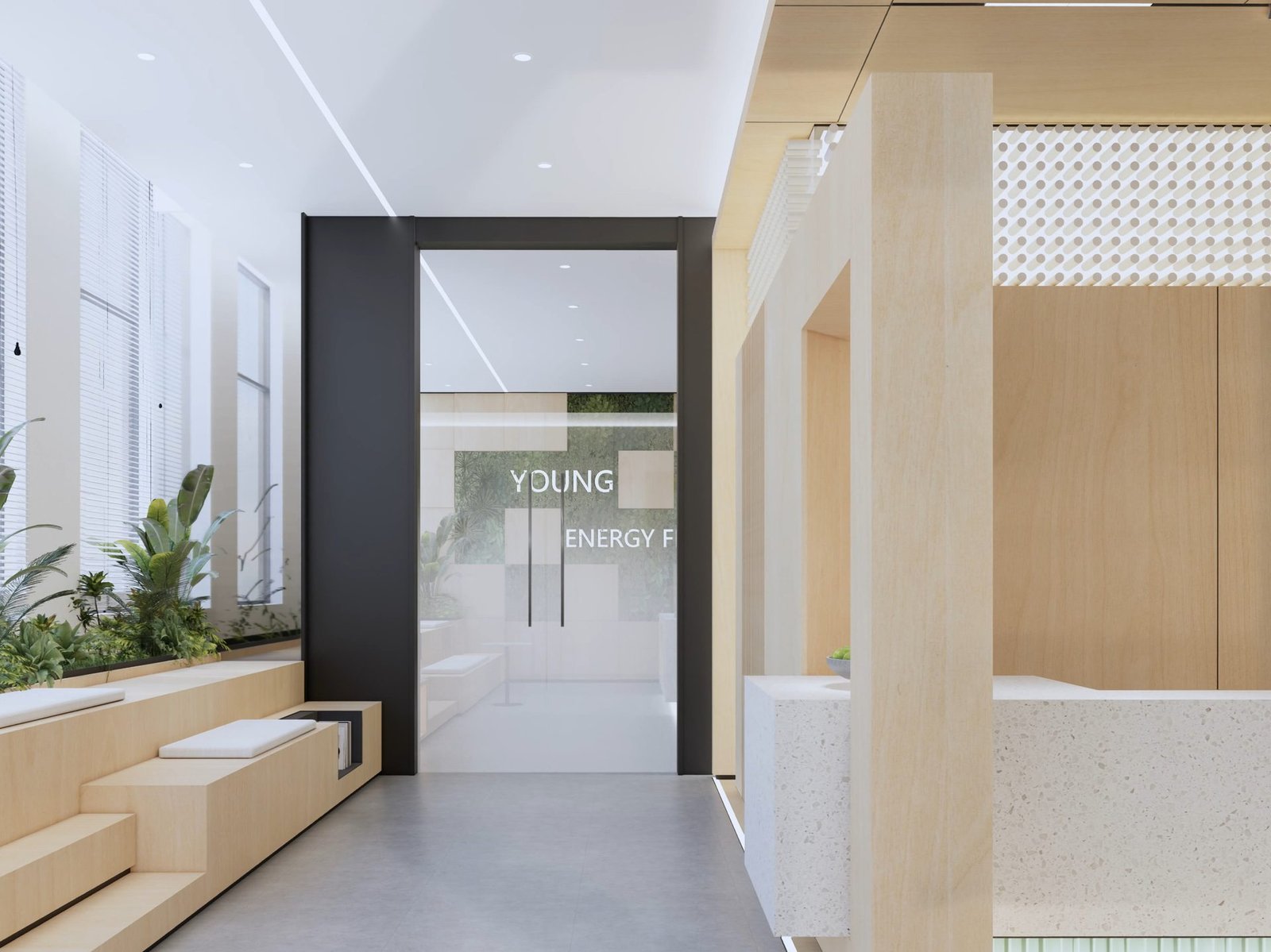
Bright Hong Kong office entrance with natural daylight, timber finishes, and integrated planting after renovation by Roky Design
Reconfiguring the perimeter walls let daylight reach deep into the floorplate for the first time in years.

One of the first things we noticed was how much natural light was being blocked.

Rather than adding more lighting fixtures, we focused on removing the obstacles that prevented daylight from travelling through the office. Several enclosed rooms were reconfigured, and private offices were moved away from key window areas. Glass partitions replaced solid walls wherever possible, allowing sunlight to reach much deeper into the workspace.

The difference was immediate. Spaces that once felt closed off suddenly felt larger, brighter, and far more inviting. Employees could see across the office, and the entire workplace felt more connected.

There’s good evidence this isn’t just aesthetic. Workplaces with access to natural light report up to 51% less eyestrain and 56% reduced drowsiness compared to artificially-lit offices (American Society of Interior Designers). For an HK team spending 9–10 hours a day at their desks, that’s not a soft benefit — it’s measurable productivity and retention.

Creating Spaces People Actually Want to Use
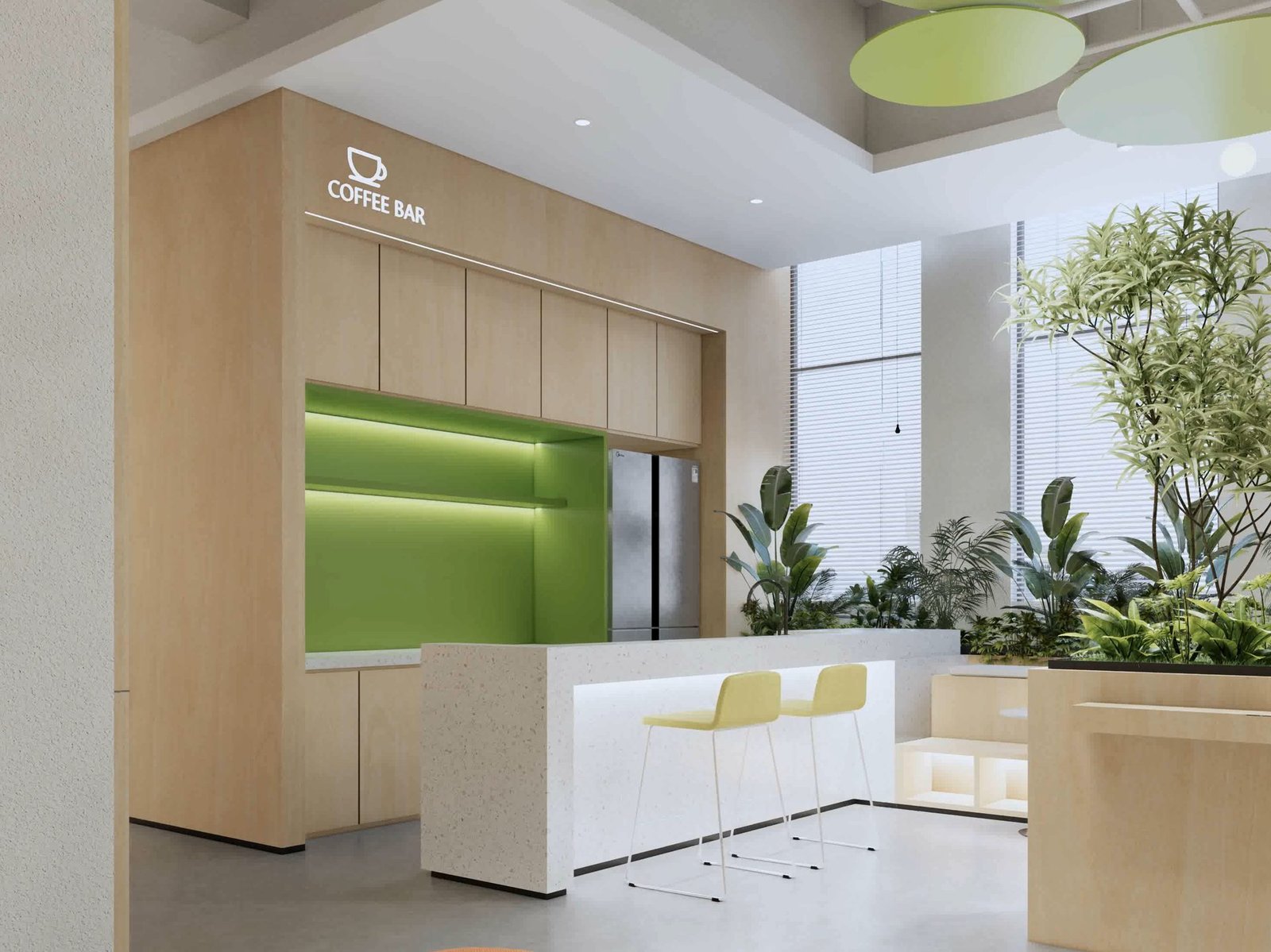
Office coffee bar and informal breakout area with terrazzo counter, accent lighting, and greenery in a Hong Kong workspace
The relocated pantry became a magnet — the place colleagues now bump into each other between meetings.

Many offices have breakout areas. The reality is that not all of them get used.

We wanted to create spaces that felt like a natural part of the workday rather than designated “collaboration zones.”

The pantry was expanded and repositioned to become a central gathering point. Comfortable seating areas were introduced nearby, creating a place where employees could grab a coffee, catch up with colleagues, or hold an informal discussion without booking a meeting room.

Some of the best conversations in any company happen between meetings, not during them. The new layout was designed to make those moments easier.

Designing for Different Ways of Working
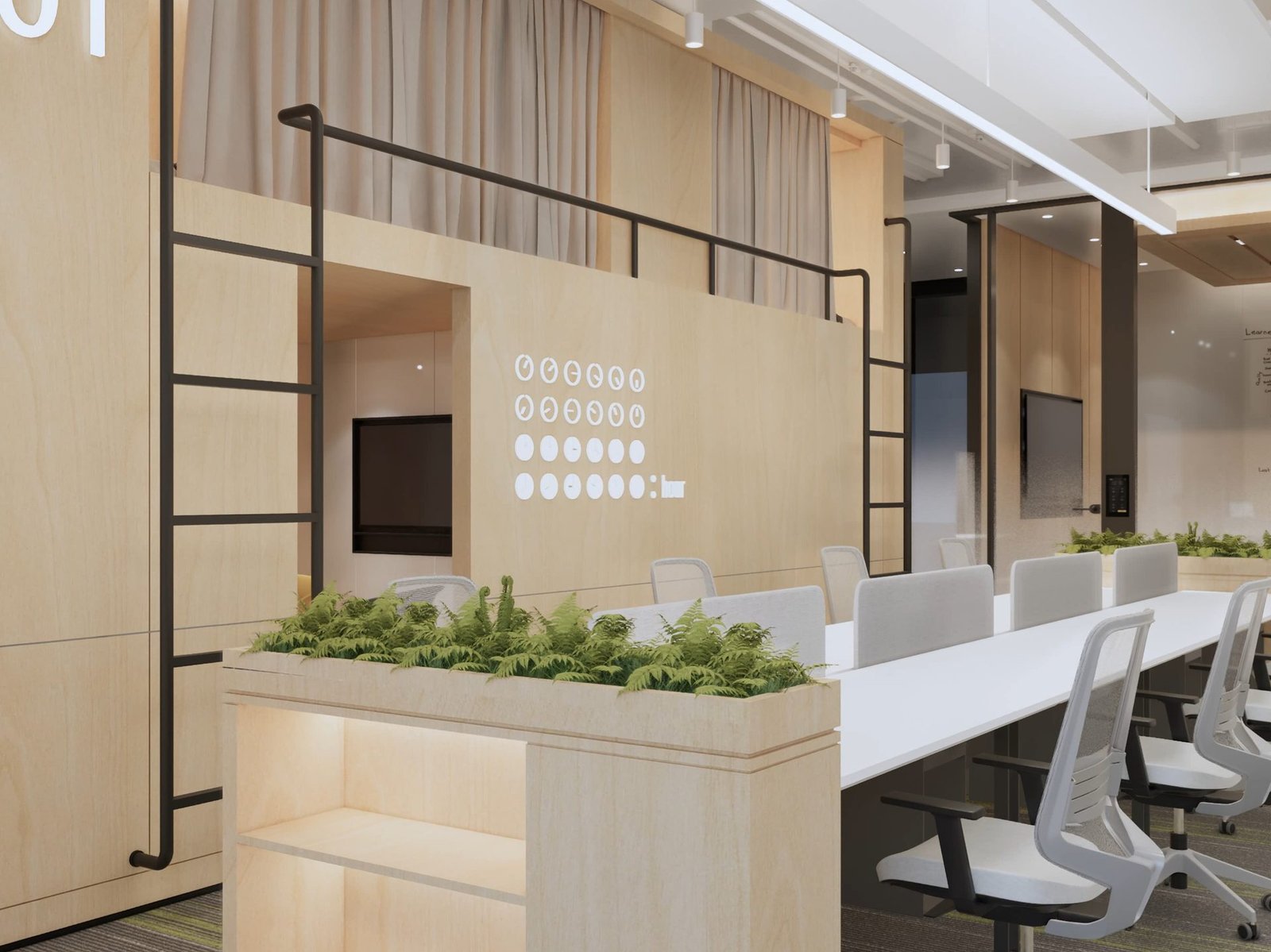
Open collaborative workstations with planter dividers and signage in a renovated Hong Kong office
Workstations grouped for team interaction, with planter dividers providing soft acoustic separation.

Work today is rarely spent sitting at the same desk from morning to evening.

Some tasks require focus. Others require discussion. Sometimes people simply need a quieter place to take a call.

Instead of creating a one-size-fits-all office, we introduced a variety of work settings throughout the space:

  • Open collaborative areas for quick team discussions and pair work
  • Quiet corners for focused, heads-down tasks
  • Phone booths for virtual meetings and one-on-ones
  • Lounge-style seating for more informal conversations
  • A dedicated rest/recharge zone with sleeping pods for genuine breaks

The goal wasn’t to make the office look modern. It was to give people options.

A Simpler Material Palette

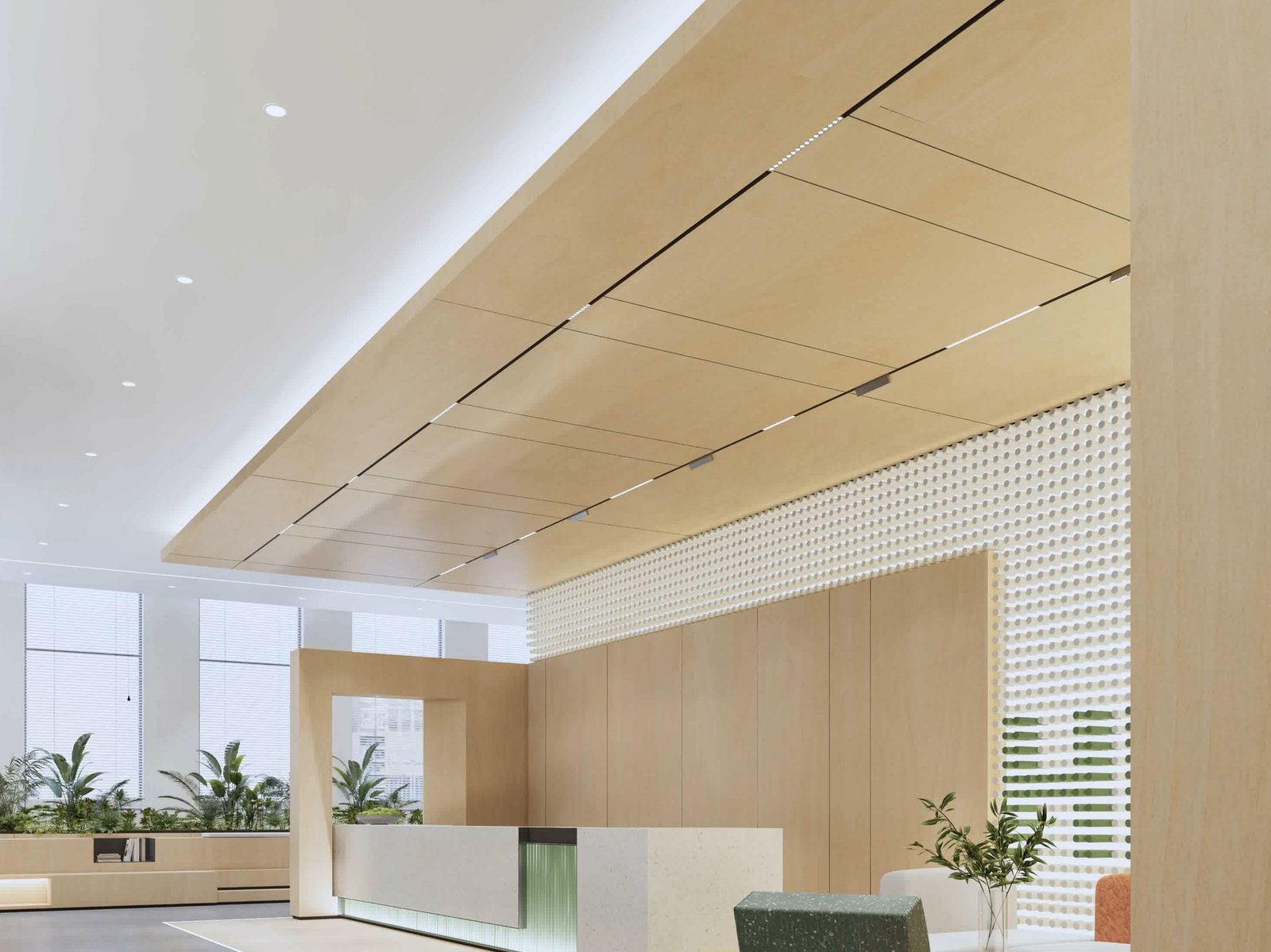
Reception area with light timber walls, terrazzo desk, integrated lighting, and biophilic greenery in a renovated Hong Kong office
Light timber, terrazzo, and soft textures — a calm palette that ages well in a corporate environment.

The client wanted the office to feel professional without feeling corporate.

To achieve that balance, we kept the material palette intentionally simple. Light timber finishes, neutral tones, soft textures, and carefully placed greenery helped create a calm, welcoming environment.

Nothing feels overly designed. And that’s exactly the point.

When an office works well, people tend to notice how it feels rather than what materials were used. In our experience across Hong Kong projects in Central, Wan Chai, Causeway Bay, Tsim Sha Tsui, Kwun Tong, and Sheung Wan, the palettes that hold up over a 5–7 year lease are almost always the simplest ones.

The Result

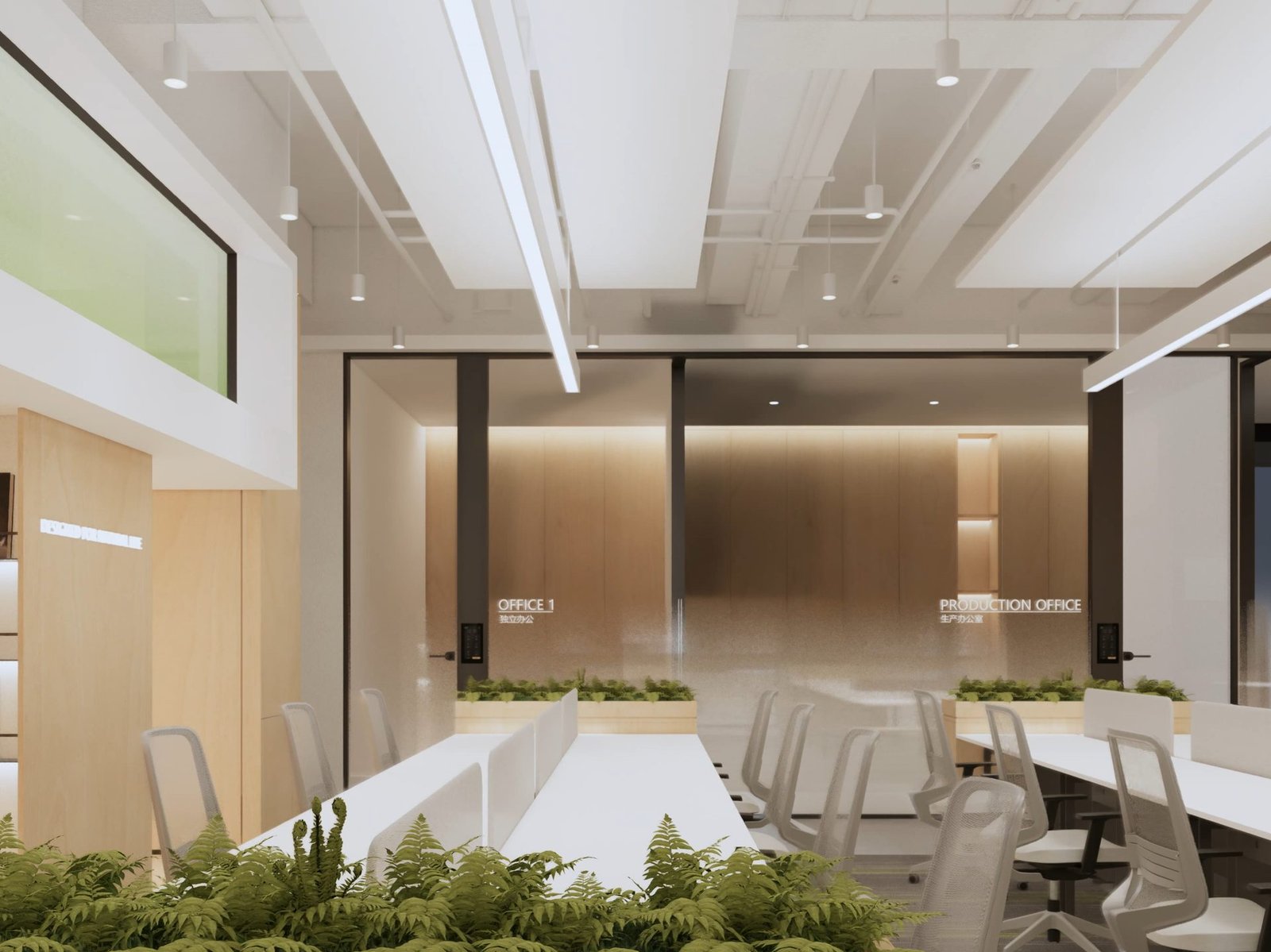
Quiet focus work area with desks, biophilic planting, and signage to office and production departments in a Hong Kong workspace
Focus zones bring quiet to the centre of the floorplate — the planter wall doubles as acoustic relief.

Walking through the completed office feels very different from walking through the original space.

Natural light reaches areas that were once dark. Teams interact more naturally throughout the day. Employees have more choice in where and how they work. The pantry buzzes between 10am and 4pm. The focus zones stay quiet when they need to be.

Most importantly, the office now reflects the company that occupies it — brighter, more open, more human.

And while the renovation changed the space itself, the biggest change has been the way people use it. That’s often the true measure of a successful office design project.

Quick FAQs About Office Renovation in Hong Kong

How long does a 5,000 sq ft office renovation take in Hong Kong?

For a project of this scale, expect 8–12 weeks from design sign-off to handover, including Buildings Department and Fire Services submissions. Our integrated design-build workflow typically delivers 20–30% faster than the HK industry average.

How much does this kind of renovation cost per square foot?

A premium design-and-build project like this typically runs HKD 600–1,200 per sq ft in Hong Kong, depending on the level of custom joinery, lighting, and AV integration. Standard fit-outs start around HKD 400–600 per sq ft.

Do we have to move out during the renovation?

Often, no. We routinely run phased renovations and after-hours/weekend works so the team can keep operating in part of the floor while we transform the other part. For tighter timelines, a temporary co-working arrangement for 4–8 weeks is the most practical option.

Will we need landlord and government approvals?

Yes — almost any non-cosmetic change in a HK commercial building requires Buildings Department (BD) submissions, Fire Services Department (FSD) approvals, and landlord consent. We handle all three under one project manager so you don’t have to chase paperwork between vendors.

Thinking About Renovating Your Hong Kong Office?
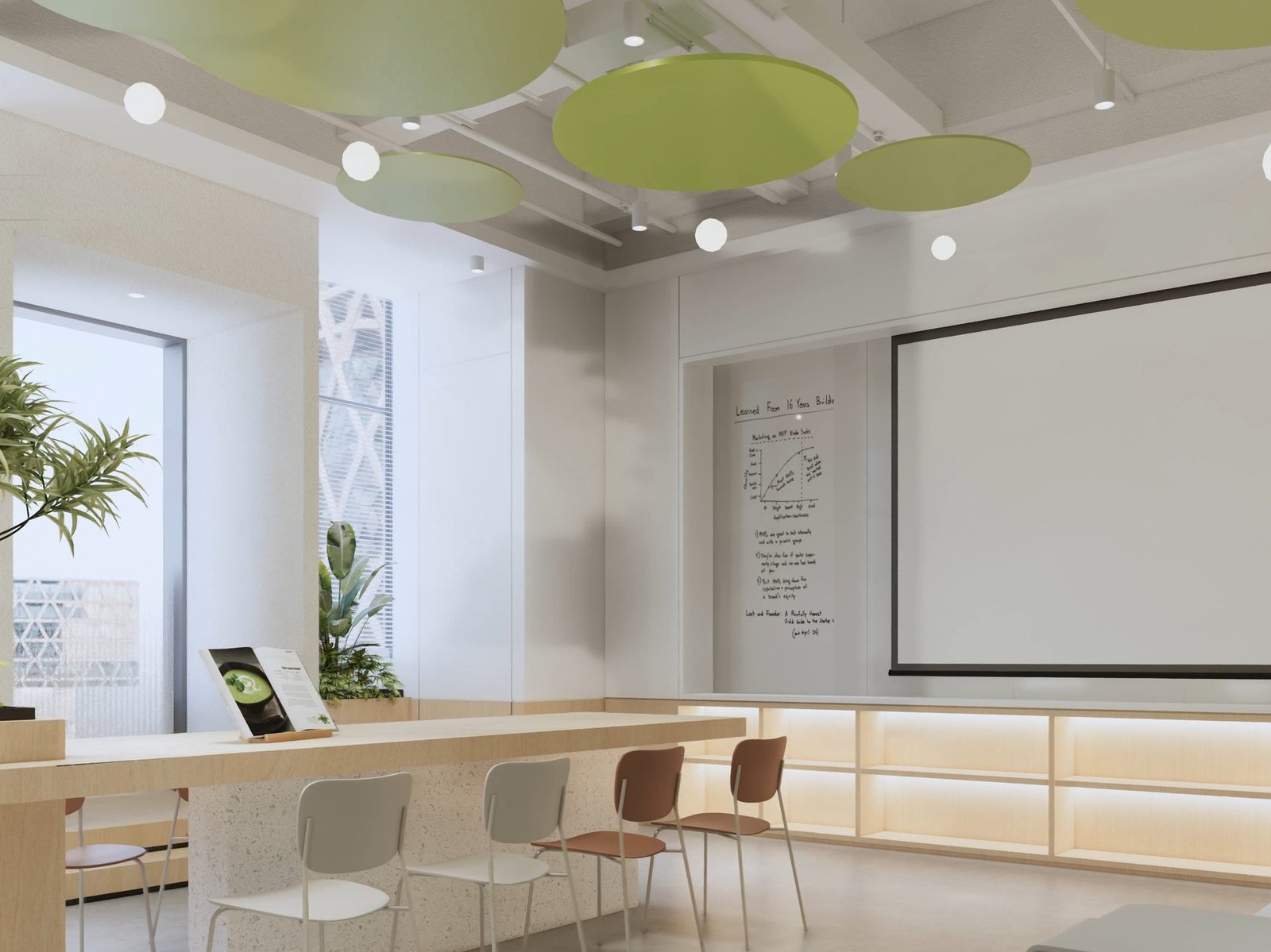
Modern meeting room with acoustic ceiling baffles, projector screen, and writable wall in a Hong Kong office renovation

If your workplace feels darker, smaller, or less connected than it should, the solution isn’t always more space. Sometimes it’s simply a better use of the space you already have.

Whether you’re planning a full office renovation or looking for ways to improve collaboration and employee experience, thoughtful workplace design has a lasting impact on how your team works every day.

Get a Free Layout Plan + Fixed-Price Quote

Tell us your sq ft, district, and target move-in date. Our HK team replies within 1 hour with an initial layout idea and a fixed-price range — no obligation.

Get Free Layout Plan →
WhatsApp Us
Call +852 8400 1289

Roky Design — Hong Kong’s one-stop office interior design, renovation, and fit-out specialist. Serving Central, Wan Chai, Causeway Bay, Tsim Sha Tsui, Kwun Tong, Sheung Wan, and all HK districts.

Leave a Comment

Your email address will not be published. Required fields are marked *

WhatsApp
Scroll to Top